Sunday, August 27, 2023

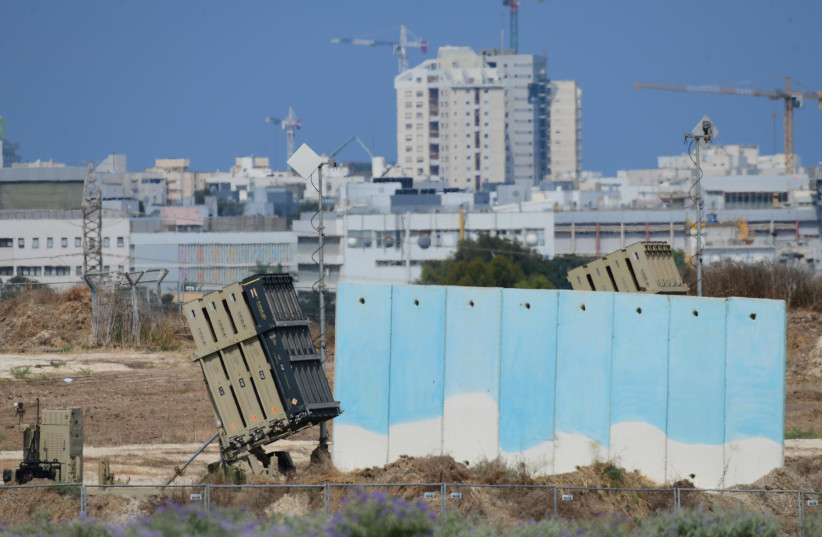
Defense News: US Marines move forward with purchase of Israel's Iron Dome


US Marines move forward with purchase of Israel's Iron Dome

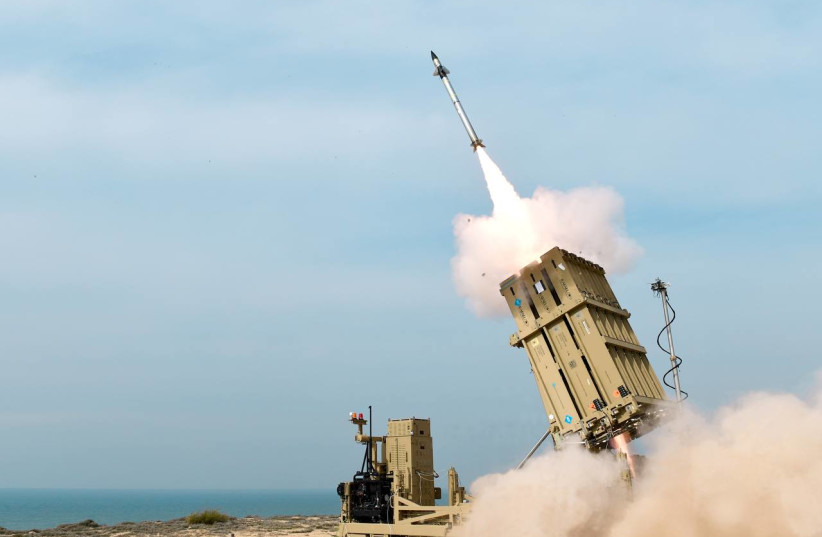
As part of the deal, the Marine Corps will purchase 44 Iron Dome launchers and 1,840 Tamir interceptors.

Saturday, August 26, 2023

Sensing city night heat from space

Aug. 25, 2023, by European Space Agency

Land surface temperatures around Rome, Italy, on 17 July 2023 measured from space at 22:23 CEST, the surface temperature reached 35°C in some parts of the city. The temperatures were recorded by NASA's Ecostress instrument which is carried on the International Space Station. The hot surfaces are clear to see – particularly near Ciampino Airport which appears bright red. However, the cooling effect of vegetation, particularly near the Appian Way Park, can be seen in the image.
 Measurements of the temperature of Earth’s surface taken from space are essential to track the impact of climate change, and to being better prepared for such extremes – especially when it comes to cities where stifling urban heat islands form.
 The Ecostress instrument, owned by NASA’s Jet Propulsion Laboratory, is important because it is helping in the development of a new Copernicus Sentinel Expansion satellite – the Land Surface Temperature Monitoring (LSTM) mission – so images such as these offer a glimpse of what the new mission will deliver operationally.
 Credit: NASA/JPL

Confirmed by the World Meteorological Organization, July 2023 was the hottest month on record, with high-impact weather continuing through August. These records are based on air temperatures, but measurements of the temperature of Earth's surface taken from space are also essential to tracking the impact of climate change, and to being better prepared for such extremes—especially when it comes to cities where stifling urban heat islands form.

The impact of climate change, affecting billions of people worldwide, is more severe and happening sooner than expected—with the United Nations Secretary-General António Guterres recently warning, "The era of global warming has ended, and the era of 'global boiling' has arrived."

Rising global air temperatures are causing untold damage to the natural world and all of its inhabitants—our situation is clearly precarious.

There are many devastating issues related to climate change, but one is that temperature extremes directly affect the human body.

A paper, published in July in Nature Medicine, estimates that there were over 60,000 heat-related deaths in Europe between 30 May and 4 September 2022—proof that extreme temperatures broke records last summer too.

According to the World Bank, 56% of the world's population live in cities. They expect that the urban population will more than double by 2050, at which point nearly seven of 10 people will live in cities.

Living in a city during a heat wave is particularly dangerous as people have to deal with what is known as the urban heat island effect.

Urban heat islands occur when natural land cover, such as vegetation, is replaced with buildings, roads, pavements and other surfaces that absorb and re-emit the sun's heat more than natural landcover such as forests and water bodies.

Land surface temperatures around Athens, Greece, on 15 July 2023 measured from space at 20:02 CEST, the surface temperature in the south of the city reached 35°C. The temperatures were recorded by NASA's Ecostress instrument which is carried on the International Space Station. 
The hot surfaces are clear to see as they appear bright red. However, the cooling effect of vegetation can be seen in the image. Measurements of the temperature of Earth’s surface taken from space are essential to track the impact of climate change, and to being better prepared for such extremes – especially when it comes to cities where stifling urban heat islands form. The Ecostress instrument, owned by NASA’s Jet Propulsion Laboratory, is important because it is helping in the development of a new Copernicus Sentinel Expansion satellite – the Land Surface Temperature Monitoring (LSTM) mission – so images such as these offer a glimpse of what the new mission will deliver operationally.
 Credit: NASA/JPL

Urban areas become 'islands' of higher temperatures compared to outlying rural areas. The difference between urban temperatures and rural temperatures tends to be more pronounced at night.

Here, measurements of land-surface temperature are important to understand and monitor urban heat islands, and to plan mitigation strategies to reduce the effects of this phenomenon.

It is worth noting the difference between air temperature and land-surface temperature.

Air temperature, given in our daily weather forecasts, is a measure of how hot the air is around 1 m above the ground. Land-surface temperature instead is a measure of how hot the actual surface would feel to the touch. During heat waves the temperature of the surface tends to be hotter than the temperature of the air.

Images of night-time surface temperatures, taken in July by an instrument called Ecostress on the International Space Station show the land-surface temperature of Athens, Rome and Vienna in the evening or night-time on different dates in July 2023.

Measured on 15 July at 20:02 CEST, the surface temperature across the city of Athens is much the same—around 35°C. In comparison, the cooling effects of vegetation in Rome is clear to see.

The Ecostress instrument, owned by NASA's Jet Propulsion Laboratory, is important because it is helping in the development of a new Copernicus Sentinel Expansion satellite—the Land Surface Temperature Monitoring (LSTM) mission—so images such as these offer a glimpse of what the new mission will deliver operationally.

ESA is using the experimental instrument to simulate the data that will eventually be returned by LSTM, which will provide systematic high-resolution measurements of the temperature of the land surface.

Land surface temperatures around Vienna, Austria, on 14 July 2023 measured from space at 22:27 CEST. The temperatures were recorded by NASA's Ecostress instrument which is carried on the International Space Station.
 Hot surfaces are clear to see in bright red while the cooling effect of parks and vegetation can be seen in the image. 
Measurements of the temperature of Earth’s surface taken from space are essential to track the impact of climate change, and to being better prepared for such extremes – especially when it comes to cities where stifling urban heat islands form. Land surface temperatures across Austria can be explored via ESA’s Green Transition Information Factory – an online platform providing actionable information from Earth observation to accelerate the Green Transition for both society and the economy. Users can also map and quantify the presence of green roofs on buildings – an effective measure in mitigating the impacts of urban heat islands owing to their significant cooling power. The platform provides valuable insights into their impact to mitigate the urban heat island effect as well as helping cities to plan further mitigation measures to prepare for extreme heatwaves in the future. 
Credit: NASA/JPL

The mission promises to be a game-changer for urban planners in their efforts to improve the lives of city dwellers as climate change tightens its grip even more.

Both space agencies, NASA and ESA, are working together closely to make the most use out of the upcoming high-resolution thermal Earth observation missions in a synergetic manner, including NASA's Surface Biology and Geology mission.

ESA's LSTM mission scientist Benjamin Koetz said, "Knowing exactly how high the temperature a surface reaches and where the heat is being trapped will help planners make informed decisions for mitigating the heat impacts by where best to plant shading trees, use special cooling coatings for pavements or even roofs.

"We currently have Copernicus Sentinel-3, which already gives us land-surface temperatures, but LSTM will provide land-surface temperatures at higher resolution for urban planning—and importantly it will also give us these operational data products at night when the urban heat islands are at their worst."

ESA's Green Transition Information Factory—an online platform providing actionable information from Earth observation to accelerate the Green Transition for both society and the economy—is helping decision makers use information from space to adapt to climate change impacts.

Through its interactive platform, users can not only explore land surface temperatures across Austria, but they can also map and quantify the presence of green roofs on buildings.

Green roofs are an effective measure in mitigating the impacts of urban heat islands owing to their significant cooling power through increased evapotranspiration of plants. They are also able to decrease the energy consumption of buildings and sequester carbon within the plants and soil needed for the greening of roofs.

The platform's ability to map green roofs in a given area provides valuable insights into their impact to mitigate the urban heat island effect as well as helping cities to plan further mitigation measures to prepare for extreme heat waves in the future.

The Green Transition Information Factory is preparing for the Space for Green Future Accelerator—one of ESA's Accelerators driving Europe's innovation and the use of space for the global climate crisis.


Recommend this post and follow
Sputnik's Orbit


Posted by hot Chuck

Space News: Want to move to Mars? It takes 22 people to run a colony


Want to move to Mars? It takes 22 people to run a colony

An agreeable personality type was found to be the best fitted to survive on the Red Planet.


At least 22 people would be needed to effectively operate a mining colony on Mars, according to a new, pre-print study published earlier this month by data scientists from George Mason University on the arXiv server.

The study, titled "An Exploration of Mars Colonization with Agent-Based Modeling," examined how a team sent to colonize Mars and mine minerals to send back to Earth would need to look in order to function well, using a computer simulation that somewhat mimics an RPG game.

With nations around the globe racing to expand the exploration of space, scientists are exploring how humans could survive on Mars and other planets for extended periods.

The team developed the model with the base assumptions that the colony itself will have already been constructed, with food, air, and water being produced locally, and that a nuclear generator will have already been installed at the site.

The scientists used a method known as agent-based modeling (ABM) to build their model, a method in which a system is analyzed from the bottom up in computer simulations by how individual agents interact with one another, with each agent assigned certain attributes.

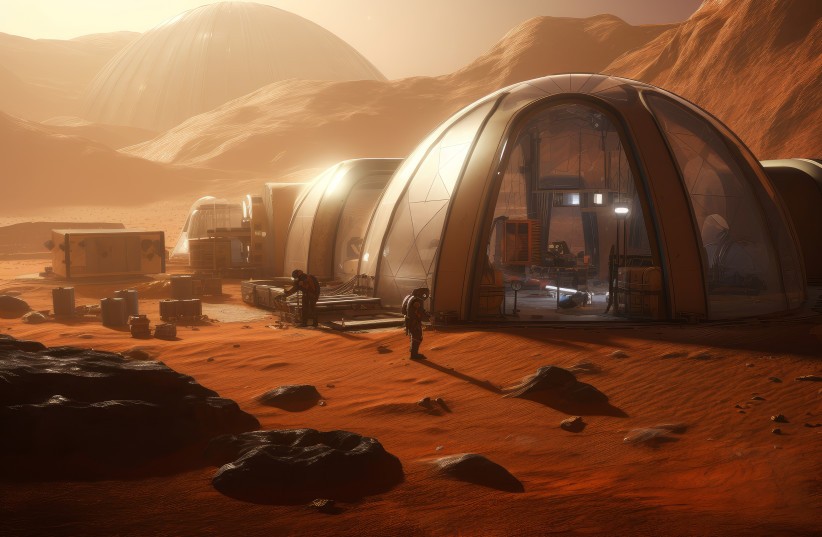
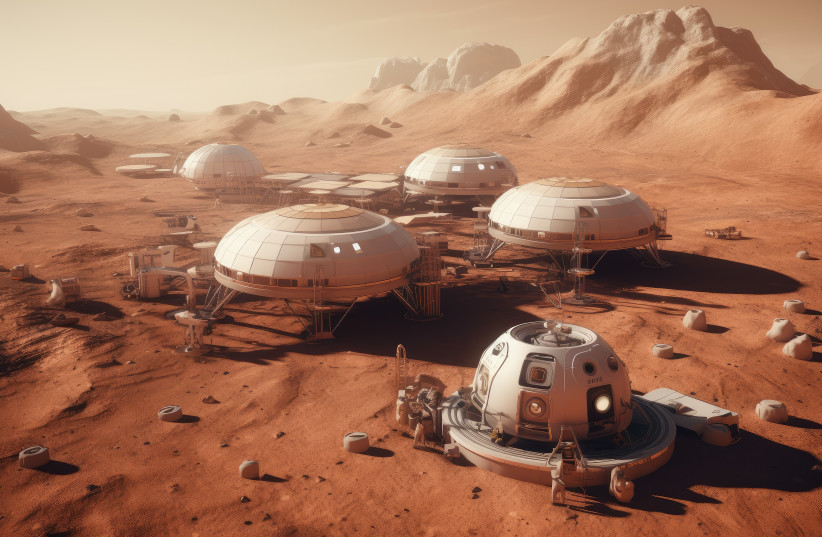
 An illustration of a future colony on Mars. (Illustrative) (credit: INGIMAGE)               An illustration of a future colony on Mars. (Illustrative) (credit: INGIMAGE)

The scientists noted that the model places an emphasis on the mental state of each member of the theoretical Martian colony, as that "directly impacts the success of the mission."

The study used previous research concerning the coping abilities of common personality types in stressful conditions and introduced random accidents such as habitat disasters and issues transporting food from Earth to activate "stressors" to test the members of the Martian team.

When triggered by a disaster or transport issue, the stressors either dissipate over time or are removed by the members of the Martian team if they succeed in a skills check to recover.

The model also examined how the members of the team interacted with the colony to produce, store, and consume resources, as well as how the environment led to habitat accidents, earth shipment issues, technological efficiency, and production skill requirements.

The scientists tested computer models with teams ranging from four to 152 members, with each model dividing the members of the team equally into four psychological categories: neurotic, reactive, social, and agreeable. The team members also received a skillset that determined their success in producing resources.

The teams were placed in a simulated colony represented by a 50x50 grid with each grid cell having an individual resource production capacity, but collective and unlimited storage.

As the model was run, the Martian team members were able to move, sleep, team up with other team members, produce or consume resources, and engage socially. The health of the team members was restored by sleeping. The team members in the computer model would perform skills checks to see if they could produce food, water, and air.

Each team member also had a weekly requirement for food, water, and air, with their health dropping if those requirements were not met. If the team member's health hit zero the member died and was removed from the model. There was additionally a small random chance of death for each Martian to represent unforeseen mortality.

At each step of the simulation, the simulation could add new team members, have an earth shipment be received by the colony, be lost in a disaster, or have a habitat accident take place. Habitat accidents would randomly affect either the food, water, air, or mineral resource supplies for the colony and reduce the affected resource by half.

The scientists used data from supply shipments and resource requirements on the International Space Station, as well as data from past experiments about teamwork in stressful situations such as in submarine teams to set the parameters for the model.

The scientists ran the model five times, simulating 28 Earth years, varying the initial population size from 10 to 170 by steps of 10. The scientists chose a team size of 10 as the minimum needed for a "stable" colony that could withstand disasters and produce enough resources.

22 members is the 'golden number' for a Mars team

The scientists found that a population size of 22 members was the minimum initial team required in order to maintain a viable colony size over an extended period. Any less than that, and the colony would risk being unable to recover if it fell under 10 members at any point.

Interestingly, a team of 26 members and a team of 38 members fell under ten members and failed to bounce back in the simulations, despite being above the 22-member minimum.

In all runs of the model, only team members with the "agreeable" personality type survived the full duration of the model runs. The scientists explained that this was likely because they were the best at coping with different situations and disasters.

Meanwhile, the "neurotic" personality type was the most likely to fail to survive, with the "reactive" and "social" personality types falling somewhere in the middle.

The scientists noted that while their model assigned an equal distribution of the different personality types among each team, a team consisting entirely of "agreeable" personality types could possibly be successful enough to be able to survive with a smaller than 10-member team.

The scientists stressed that their model did not address waste removal and on-site resource production, as their models found that even with shipping disasters, the colony would still be more than sufficiently resupplied with earth shipments. The scientists recommend examining these fields in future studies.             

PLEASE RECOMMEND THIS PAGE & FOLLOW THE SPUTNIKS ORBIT AT HTTPS://DISQUS.COM/HOME/FORUM/THESPUTNIKSORBIT-BLOGSPOT-COM

Friday, August 25, 2023

Space News: Sun-observing spacecraft sheds light on the solar wind's origin


Sun-observing spacecraft sheds light on the solar wind's origin

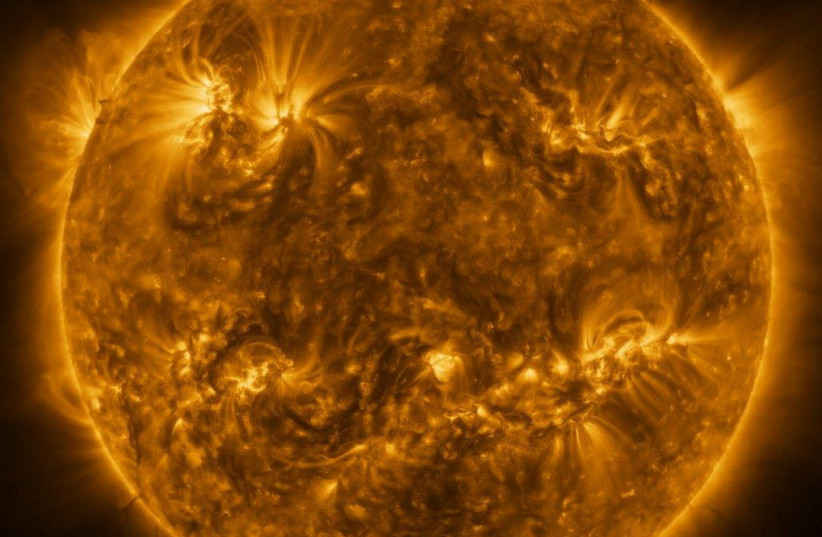
New observations by the Solar Orbiter spacecraft may provide an answer as to how the sun generates solar wind.

Vlasiator Unveils: Solutions to a Central Mystery in Space Physics

By U. OF HELSINKI Aug. 22, 2023

Plasma eruptions in near-Earth space. The University of Helsinki’s Vlasiator model demonstrated that both magnetic reconnection and kinetic instabilities are responsible for plasma eruptions in near-Earth space, providing vital insights for space research and technology. 
Credit: Jani Närhi

Vlasiator, a supercomputer model for simulating near-Earth space, has revealed that plasma eruptions in near-Earth space are influenced by both magnetic reconnection and kinetic instabilities. While theories have long debated the cause, Vlasiator’s 6D modeling showcased that both theories coexist and function concurrently. This insight is crucial for spacecraft design, further research, and enhancing space weather predictions.

How are plasma eruptions in near-Earth space formed? Vlasiator, a model designed at the University of Helsinki for simulating near-Earth space, demonstrated that the two central theories on the occurrence of eruptions are simultaneously valid: eruptions are explained by both magnetic reconnection and kinetic instabilities.

Plasmoids, or rapid plasma eruptions, occur on the nightside of the magnetosphere. Plasmoids are also associated with the sudden brightening of the aurora. Using the Vlasiator model, the space physics research group at the University of Helsinki investigates and simulates these difficult-to-predict eruptions in near-Earth space.

“The phenomena associated with plasmoids cause the most intense but the least predictable magnetic disturbances, which can cause, for example, disturbances in electrical grids,” says Professor of Computational Space Physics Minna Palmroth from the University of Helsinki.

“These eruptions occur on a daily basis, in varying sizes, in the ‘tail’ of the magnetosphere.”

A Quest for Answers

Palmroth, who was recently awarded the Copernicus Medal, is also the director of the Centre of Excellence in Research of Sustainable Space, and the principal investigator for the Vlasiator simulation.

“The chain of events leading to plasmoids is one of the longest-standing unresolved questions in space physics: solutions have been sought for it since the 1960s,” Palmroth says.

Two competing lines of thinking have been proposed to explain the course of events, the first asserting that magnetic reconnection severs a part of the magnetotail into a plasmoid. According to the other explanation, kinetic instabilities disrupt the current sheet (a wide, thin distribution of electric current) maintaining the tail, which eventually results in the ejection of a plasmoid. Arguments about the primacy of these two phenomena have been ongoing for decades.

Breakthrough via the Vlasiator Simulation

“It now appears that the causalities are in fact more complex than previously understood,” Palmroth says.

The Vlasiator simulation, which requires the processing power of a supercomputer, modeled near-Earth space for the first time in six dimensions and on a scale corresponding to the size of the magnetosphere. The 6D modeling was successful in describing the physics phenomena underlying both paradigms.

“It was a difficult technical challenge that no one else has been able to model,” Palmroth says. Behind the achievement is more than 10 years of software development. Consequently, the study was able to demonstrate that both magnetic reconnection and kinetic instabilities explain the functioning of the magnetotail. The phenomena associated with these seemingly contradictory theories actually both take place, and simultaneously.

The finding helps to understand how plasma eruptions can occur. This helps in designing spacecraft and equipment, observing these events for further research, and improving the predictability of space weather by improving the understanding of near-Earth space.


Recommend this post and follow
Sputnik's Orbit


Posted by Plasmoid Chuck


Thursday, August 24, 2023

Space News: Scientists unveil secrets of star violently torn apart near black hole


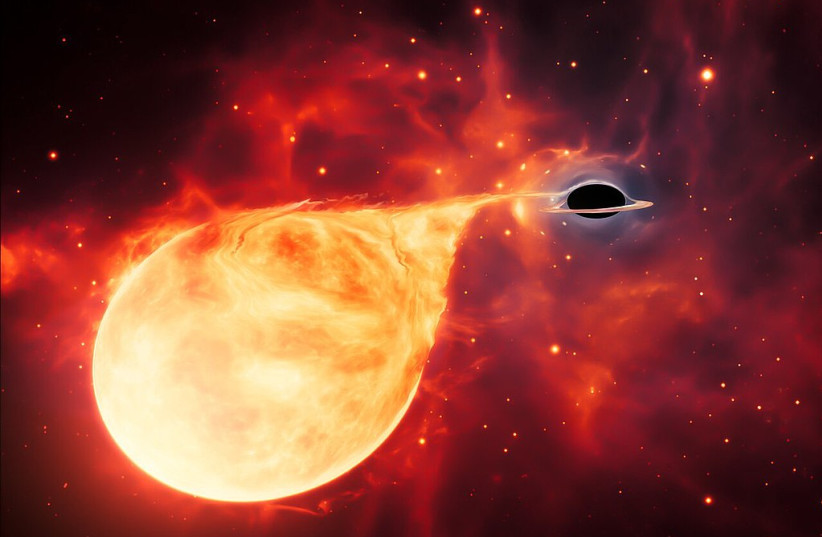
Scientists unveil secrets of star violently torn apart near black hole

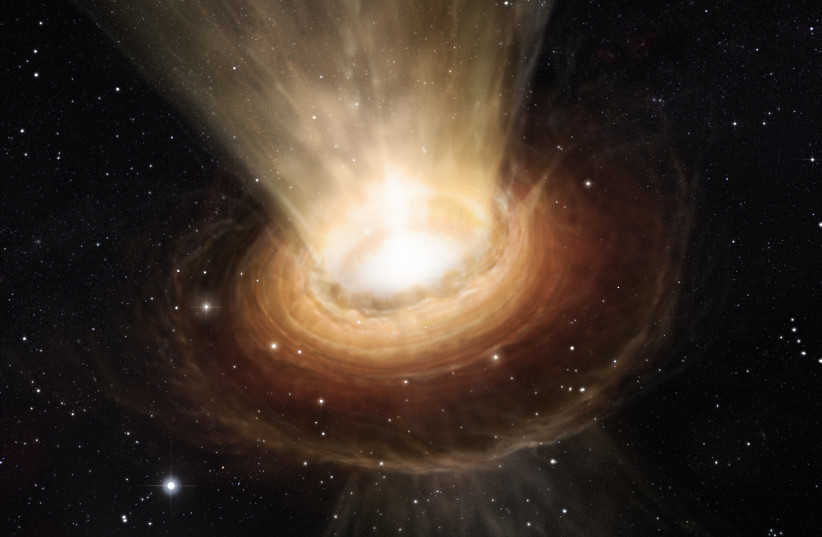
Astronomers have recently encountered numerous instances of "tidal disruption events."

Wednesday, August 23, 2023

A maglev system on the moon could make lunar logistics a breeze

Aug. 21, 2023, by Andy Tomaswick, Universe Today

Artist's depiction of a FLOAT system being deployed. 
Credit: Schaler et al.

Maglevs are one of those technologies that still look like magic, even years after they were initially rolled out. While they have long been a workhorse of the transportation systems of some major cities, they don't often impact the day-to-day lives of people who don't use them to commute. But, they might be invaluable in another setting—lunar exploration. There's an ongoing debate about the best way to shuttle stuff around on the moon's surface, and a team from JPL and a company called SRI International think they have a solution—deploy a maglev track on the moon.

The project, known as the Flexible Levitation on a Track (FLOAT) system, is simple in concept. It is based on a concept developed at SRI that showcases the ability to float small robots over a platform and precisely control their movements using a form of magnetic levitation. Scale-wise, as seen in the video below, the technology so far is still small. However, the FLOAT team received a NASA Institute for Advanced Concepts (NIAC) grant to research how scaling up the technology would work on the moon.

Arguably the most crucial part of the technology is the track. It consists of two necessary and a third optional layer. The base layer is graphite, allowing robots to use a force called diamagnetic levitation to float above the track. A second layer is a series of circuits that control the magnetic fields around the track, allowing users to push or stop carts that are moving along it. The optional third layer is a series of solar panels that can collect solar energy while daylight is on that side of the moon.

An important point is that the carts don't have to have any brains themselves. The power and control for the carts both come from the track itself—there are no batteries, logic, or anything else on the carts themselves. That lessens the actual cart's weight, allowing it to have more carrying capacity.

https://youtu.be/Bxb3-bT8uxk
Credit: SRI International YouTube Channel

Another exciting idea described in the team's final report is that the FLOAT track can be manufactured in a facility and then deployed by a rover by deploying it out of a spool. The materials the track is made out of are flexible, making the spool an ideal deployment methodology and significantly decreasing the cost, especially compared to typical road building here on Earth.

Another advantage of the FLOAT system is that it won't kick up any dust once it is laid out—which is potentially one of the most dangerous parts of lunar exploration. The team's calculations suggest they could levitate the carts more than twice the height of a typical lunar dust particle, allowing them to move down the track without disturbing any dust already on it. Unlike on Earth, there is no air on the Lunar Surface, so large levitating carts won't disturb the dust to either side of the track as they pass by.

However, there is a chance that some dust would settle on the track, especially when it is first deployed or if other activities are happening in the vicinity (like ice mining). If that does happen, the FLOAT system could use a specially designed cart with a broom attached to the front of it to sweep the dust off the track before regular carts continue their operation on it.

https://youtu.be/6AK70Smy2Ss
Credit: KISSCalTech YouTube Channel

Even hills don't seem to be much of a problem—calculations in the final paper show that carts could move at reasonable speeds both up and down 30% grades without requiring too much power. That ability could significantly increase the areas that the track could cover and allow for even more sites to be connected to the FLOAT network.

Connectivity is the name of the game here, as the spooling technology would allow tracks to be deployed to any number of sites, whether economic, scientific, or logistical. However, one of the major problems facing the scaling up of the technology is how to tie all those spokes together. Connecting two parts of the floating track remains a challenge and one that will be key to solving if the technology is ever to be adopted.

That adoption is probably still far off, as the Artemis missions that would start building the lunar infrastructure that would need such a system are still years away. The team points out that they could have a working system up and running by the mid-2030s—right around the time a permanent lunar base will be operational. But for now, it's unclear what the project's future is—there aren't any publicly available funding sources of note right now. However, there is undoubtedly a need for a robust transportation system on the moon when we establish a permanent presence there—and maybe a future version of FLOAT will provide that.


Recommend this post and follow
Sputnik's Orbit


Posted by Mooner Chuck

Space News: NASA’s Webb Telescope captures the dying star ‘Ring Nebula’ in new detail


NASA’s Webb Telescope captures the dying star ‘Ring Nebula’ in new detail

The images were captured by the James Webb Space Telescope, which was developed to view objects too old, distant, or faint for the Hubble Telescope. 

Tuesday, August 22, 2023

Defense News: According to Estimates, Israel’s New Submarine Has New Vertical Missile Launching System


According to Estimates, Israel’s New Submarine Has New Vertical Missile Launching System


If online analyses are correct, this marks the first time such a system has been installed on an Israeli submarine. The operational implications are immense

By Ami Rojkes Dombe, Israel Defense, 22/08/2023


                    A current in service Dolphin 2 class submarine at sea. IDF Spokesperson's Unit

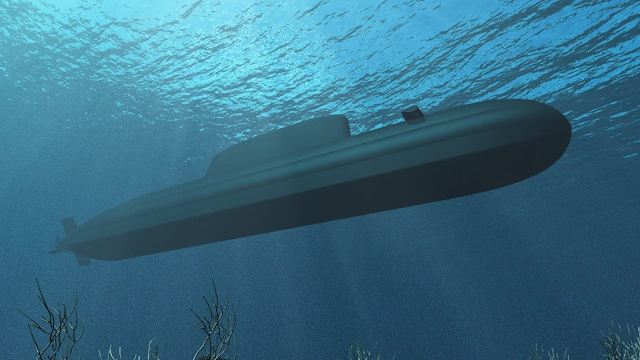
The Israeli submarine INS Dragon (“Drakon” in Hebrew) was revealed in photos taken at the TKMS Kiel shipyard in Germany, and the internet is buzzing with questions surrounding a vertical launching system (VLS). Rumors about this Israeli development have been circulating since 2020.

If online analyses are accurate, this would be the first time such a system is installed on an Israeli submarine, showcasing the advanced capabilities of the next generation of Israeli submarines (Dolphin-3 class). These submarines will also be constructed at the German shipyard.

"Drakon is the third submarine in the Dolphin 2 class. Drakon is very different from the preceding two in having a curiously extended fin/sail. The purpose of this extended fin/sail might merely be for streamlining/quietness, or to contain more masts/sensors, or perhaps to house between 2 to 4 vertically launched missiles," according to an article in the Gentle Seas blog.

The article goes on to estimate the height of the fin/sail to be around six meters. “When added to Drakon’s beam of 7 meters, that would permit a missile 12.5 meters tall.”

In Israel, all matters related to submarine missile systems are classified. There has been no official acknowledgment of the images of INS Dragon that are circulating online nor to its its armament system.

Therefore, the purpose of this article is not to definitively establish what Israel is or is not developing in this context. Instead, the aim is to provide analyses from the web regarding the publications that followed the exposure of INS Dragon’s photos. Some of these publications may prove accurate, while others may not.

Why is a VLS needed on a submarine?

Let's start with the fact that the VLS system on submarines isn't an Israeli invention. South Korea developed the KSS-III submarine, the Soviet Union developed the Golf-class SSB, North Korea developed the Romeo-class, and so on. All of these submarines are diesel-electric. In the nuclear propulsion category, there's the U.S. Virginia Class and Los Angeles-class, India's Arihant-class, the UK's SSNR, and more.

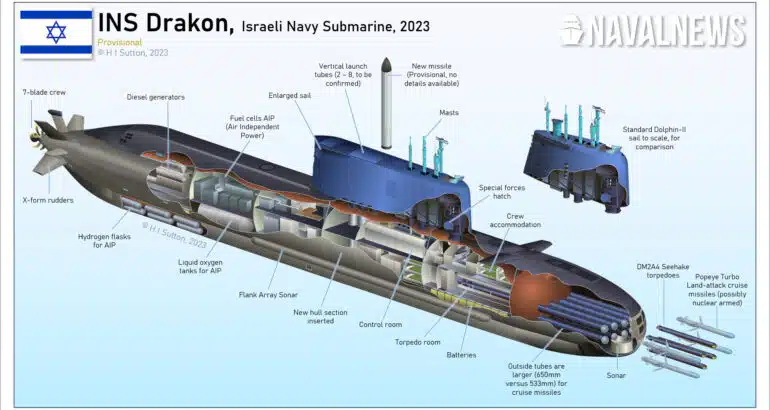
So, one of the questions arising from the INS Dakon photos is why a submarine needs a VLS. There are several aspects to consider. First, there's the diameter of the launch tubes. In submarines where missiles are launched through torpedo tubes, the missile's diameter must match the tube's diameter. The standard is usually 533 mm. However, according to foreign reports, Israel requested the Germans to widen the tubes to 650 mm.

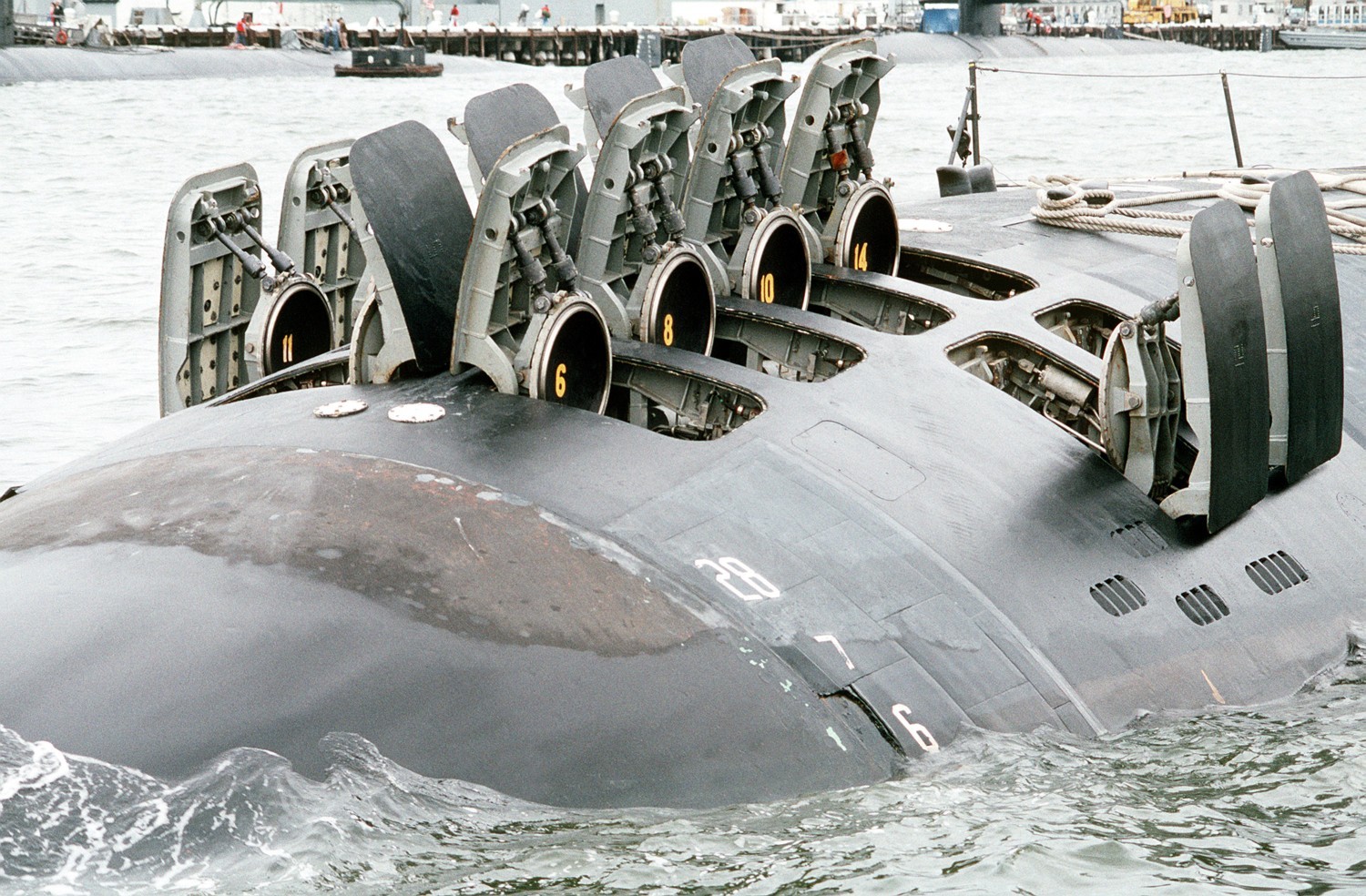
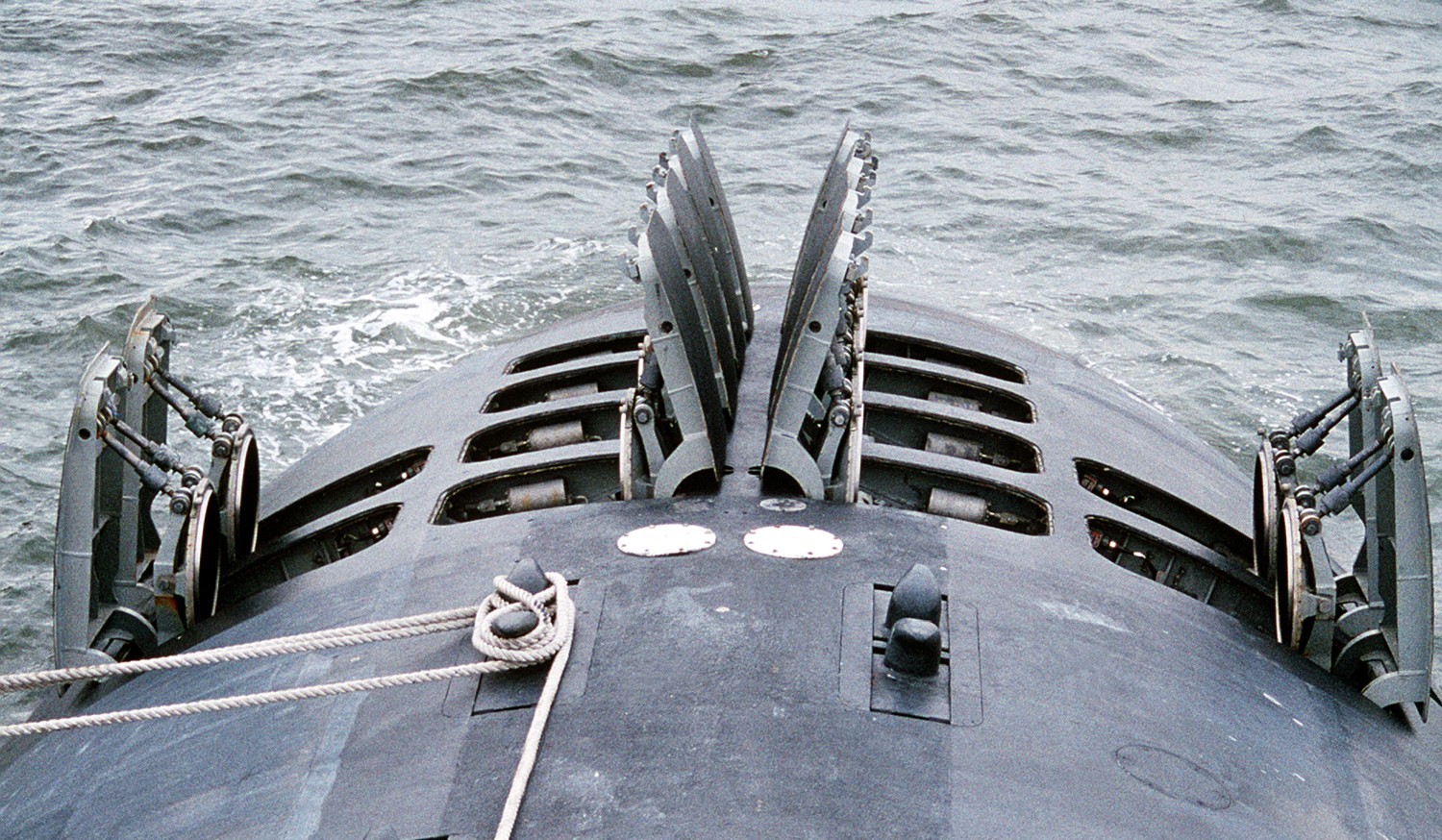
With a VLS, larger-diameter missiles can be loaded. Submarines with VLS systems typically launch two types of missiles: ballistic missiles or cruise missiles. A vertical launch system consists of multiple cells (silos) that can hold one or more ready-to-fire missiles. Each cell can usually accommodate different types of missiles. For example, in the Virginia-class submarines of Block III, the vertical launch tubes have a diameter of over 2 meters (87 inches) each.

Standardization is crucial. When new missiles are developed, they are usually designed to match a country's vertical launch systems. This allows existing ships and submarines to use new missile types without costly integration. Additionally, if a launch system is tailored to friendly nations’ launch systems, countries can purchase compatible launchers from each other.

Diagrams courtesy of Naval News


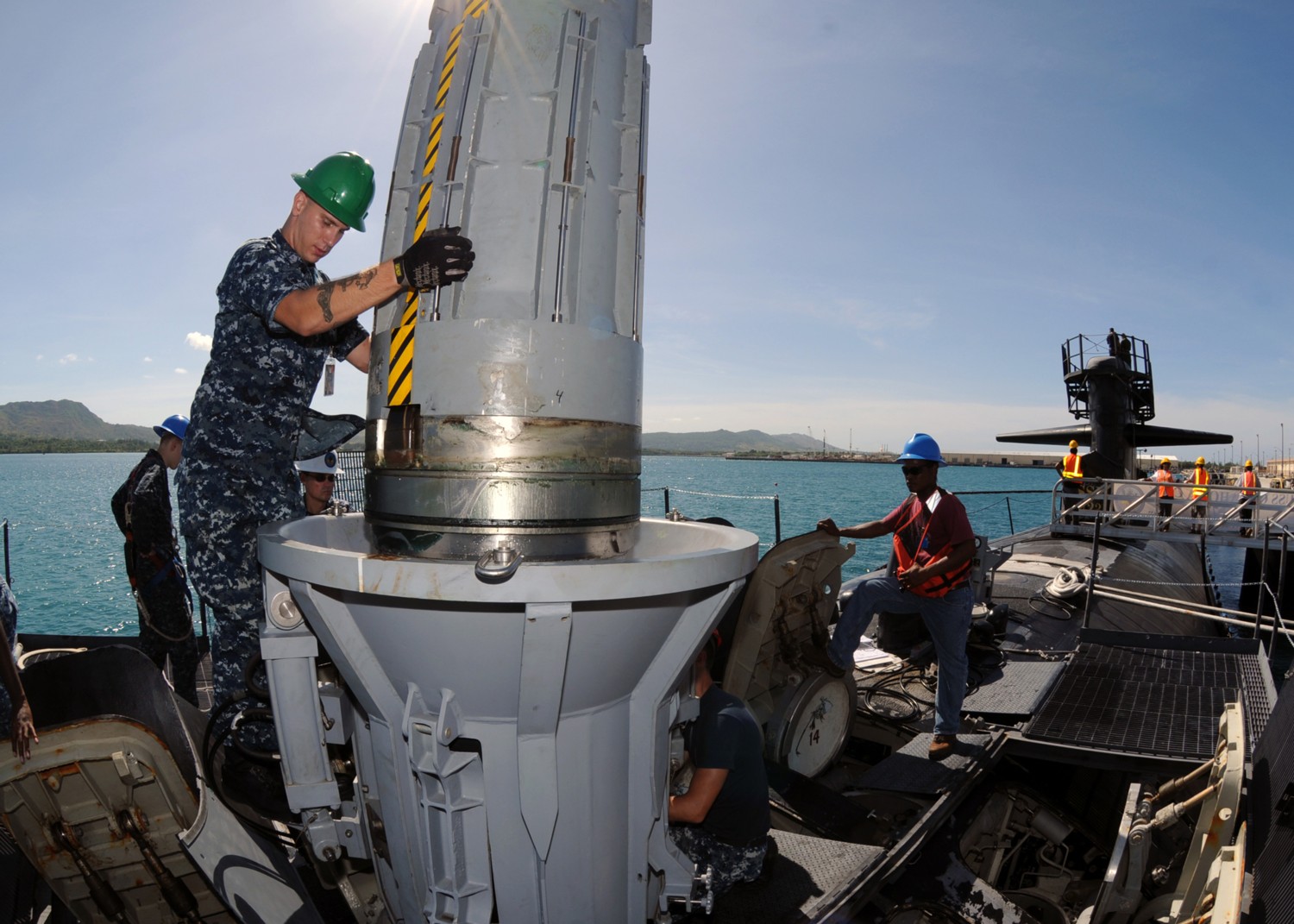
For instance, the UK and Australia could use American missiles in their submarines. Standardization also aids during war when one nation can support another by transferring launchers during shortages. The most common VLS system in the naval world is the Mark 41, developed by the U.S. Here are images of the Mark-45 system in U.S. submarines, including missile loading.

The 12-cell Mk-45 VLS is a launching system in use on US Navy SSN’s and SSGN’s.


UGM-109 Tomahawk missile was loaded into a Mk-45 VLS aboard USS Oklahoma City (SSN 723)

Another argument lies in the flexibility provided by having two launch systems on a submarine: torpedo tubes and VLS. This flexibility allows for the use of a variety of missile types for different purposes. One drawback of VLS is that loading missiles at sea during transit is challenging. Torpedoes, on the other hand, can be loaded more easily.

"Cold Launch" vs. "Hot Launch"

Vertical launch systems (VLS) can involve either a hot launch or a cold launch. In a hot launch, the missile is ignited inside the cell, while in a cold launch, the missile is ejected using gas generated by a gas generator that is separate from the missile itself. This is according to a publication by academic-accelerator.

In a "cold launch," the term "cold" refers to the relatively cold ejection of the rocket motor. A hot launch system doesn't require an ejection mechanism, but it does need a way to deal with the exhaust gases and heat of the missile as it exits the cell. If the engine is ignited within the cell without an ejection mechanism, the cell must withstand the intense heat generated without igniting the nearby missiles in adjacent cells.

The advantage of a hot launch system is that the missile uses its own engine to propel itself out of the launch cell, eliminating the need for a separate system to extract the missile from the launch tube. This can make hot launch systems relatively lightweight, compact, and cost-effective for development and production, especially when designed around small missiles. A potential disadvantage is that a failed missile could potentially damage the launch tube.

The advantage of a cold launch system is its safety. Even if the missile's engine fails during launch, a cold launch system can still eject the missile and reduce the threat. For this reason, Russia's VLS is often designed with a trajectory that ensures a malfunctioning missile lands in the water rather than on the ship's deck. Most modern ICBMs and SLBMs are launched from a cold launch system on naval platforms.

 Transition Between Missile Generations for Submarines

Another site that discussed the INS Dragon images is Naval News, which wrote that "The Dolphin-II already had a lengthened hull compared to the original Dolphin-I in order to fit in AIP (air independent power). The new hull insert makes the submarine even longer. Based on available information, the follow-on Dakar class will be about the same length as Drakon and feature a similarly lengthened sail.”

“Rough estimates suggest that the longer hull and sail add a space approximately 2 meters wide by 4 meters long and up to 11 meters deep. “This could accommodate two large missile silos, or more likely, 4-8 smaller ones. It is also a reasonable assumption that they can be nuclear armed,” Naval News said.

Billion Dollar Submarine

According to an NDR report, Israel and Germany have closed a deal for the production of three new submarines, Dolphin-3 or Dakar class, as mentioned earlier. These submarines are set to replace the three older submarines (INS Dolphin, INS Leviathan, INS Tekumah). The cost is approximately three billion euros for all three submarines. Germany will subsidize about one billion euros of this sum. This is the most expensive defense acquisition that the State of Israel is making.

“In order to be prepared for the order, ThyssenKrupp Marine Systems says it is already investing around 250 million euros in its shipyard. Kiel is thus securing its location as an international competence center for conventional submarine construction,” said the article.

If the reports about the development of a new missile for the new submarines are accurate – then such a development, as claimed, takes at least a decade from conceptualization to operational deployment on a submarine. If the new submarines are expected to enter service around 2030-2031, it implies that the missile's development began in the early 2020s and is currently at work by defense industries like Rafael and the aerospace industry."

One more point to mention. About a decade ago, Israel built the Polygone in Haifa, a covered dock for submarines, so that submarines or naval aircraft wouldn't know how many submarines were at sea and how many were in the base. It was also used to conceal the loading of the weapons.


PLEASE RECOMMEND THIS PAGE & FOLLOW THE SPUTNIKS ORBIT AT HTTPS://DISQUS.COM/HOME/FORUM/THESPUTNIKSORBIT-BLOGSPOT-COM